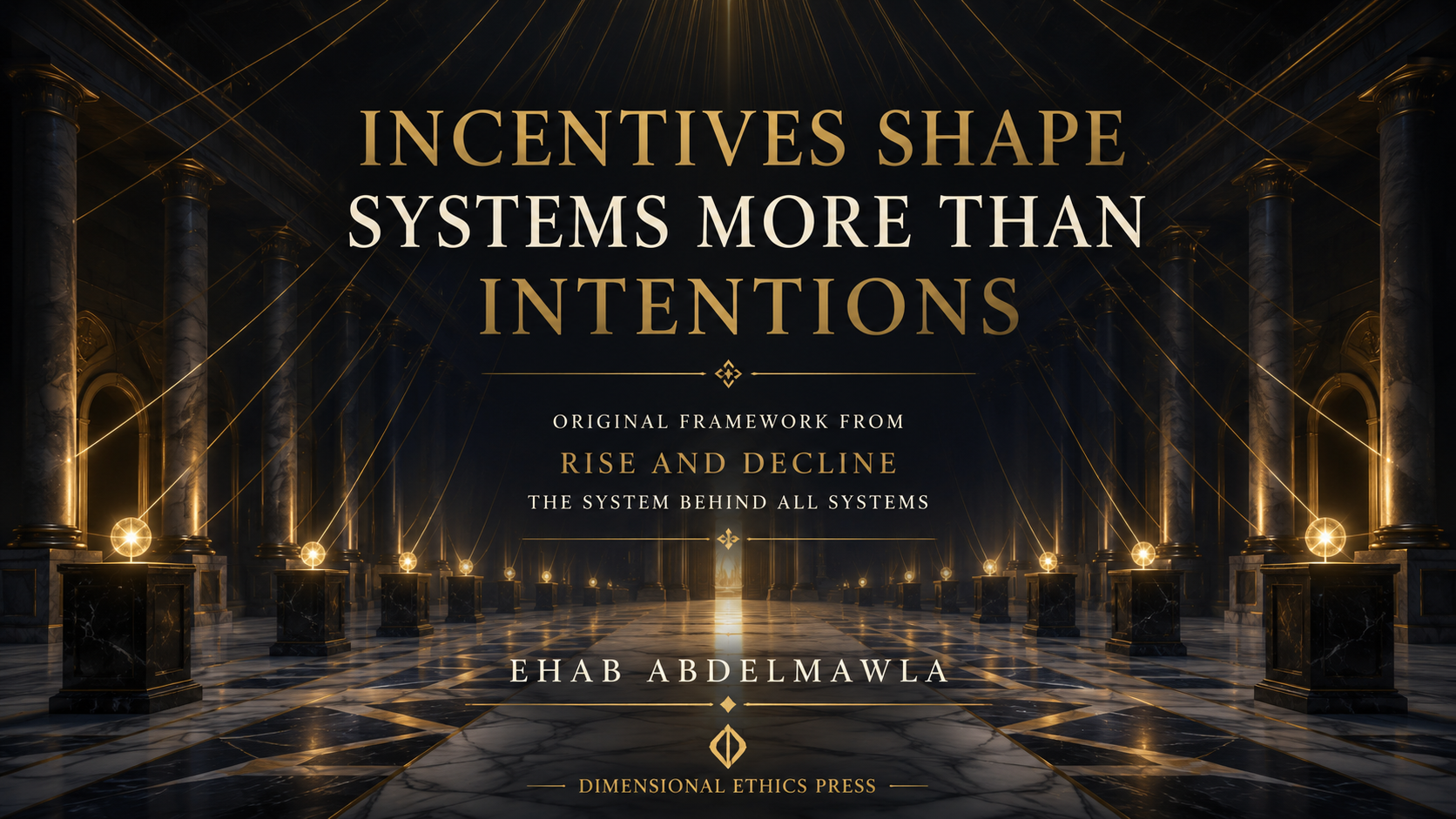
Incentives Shape Systems More Than Intentions
Systems rarely become what they intend to be. They become what they reward.
This article introduces one of the original organisational frameworks from Rise and Decline — a body of work explaining how institutions evolve, stagnate, and decline.
Incentives Shape Systems More Than Intentions
Systems rarely become what they intend to be. They become what they reward.
This framework explains why incentives quietly shape behaviour, culture and long-term outcomes more powerfully than intentions, values or declarations, revealing the hidden architecture behind organisational success and decline.
Have you ever watched a good organisation slowly become a different organisation? The people are still capable. The mission has not changed. The values remain framed on the wall. Yet decisions feel different. People become more political. Innovation slows. Meetings increase. Shortcuts multiply. Everyone seems to be doing exactly what they are supposed to do, yet the organisation keeps drifting further from what it was created to achieve.
Why?
Because systems do not become what they intend to be. They become what they reward. This is not a failure of leadership. It is a law of structure.
The Invisible Force
Every system declares values. Few design incentives that protect them. Intentions are spoken. Values are published. Vision is celebrated. But incentives are embedded. And systems follow incentives—not declarations.
If a company rewards speed more than accuracy, speed wins. If it rewards visibility more than competence, appearances become more valuable than contribution. If it rewards loyalty more than truth, honest information slowly disappears. A system's real values are never found in its mission statement. They are found in what people are rewarded for doing repeatedly. What a system consistently rewards becomes its true constitution.
Why Good Systems Produce Bad Outcomes
One of the greatest misconceptions about organisational decline is that it begins with corruption. Usually, it does not. It begins with misalignment.
Leaders may genuinely believe in fairness. Institutions may sincerely publish ethical principles. Societies may honestly pursue justice. But when incentives contradict those principles, behaviour follows incentives—not intentions. Not because people are immoral. Because people are adaptive.
Systems shape behaviour more reliably than intentions ever can. Good people can therefore produce harmful outcomes inside poorly designed systems. Not because they changed. Because the system quietly did.
Rational People, Irrational Outcomes
People rarely wake up intending to damage an organisation. They simply optimise for whatever the system rewards. Reward quarterly numbers and long-term resilience is sacrificed. Reward constant availability and deep thinking disappears. Reward individual competition and collaboration becomes performative. Reward appearances and Employment Theatre emerges.
This is the uncomfortable truth. People do not usually break systems. They optimise within them. And optimisation inside a misaligned structure is often the fastest path to decline. The behaviour appears rational. The outcome becomes irrational.
The Great Illusion of Reform
This explains why so many reforms fail. Policies change. Leadership changes. Language changes. Organisational charts change. Yet behaviour remains remarkably similar. Why? Because incentives did not change.
Changing culture without changing incentives is like changing the destination while leaving the steering wheel locked. The system continues travelling exactly where it was designed to go. Incentives function like gravity. Whether people notice them or not, they continuously pull behaviour toward predictable patterns.
Drift Is Almost Invisible
The dangerous part is that incentives rarely change dramatically. A metric is adjusted. A bonus is introduced. A promotion criterion shifts. A shortcut is tolerated. None of these appear significant on their own. Yet every small adjustment teaches the system what success really means.
Gradually, effort shifts toward what is rewarded rather than what is needed. The organisation still functions. Performance metrics may even improve. But the direction has changed. And a system can travel a very long distance before anyone realises it has been moving toward the wrong destination. Drift rarely announces itself. It accumulates.
The Questions That Matter
Leaders who build resilient systems ask different questions. Not: "What do we say we value?" But: What behaviour are we actually rewarding?
Who gets promoted? Who gets protected? Who carries the risk? Who receives recognition? Who quietly leaves? The answers reveal the true architecture of the system. Not its intentions. Its incentives.
Beyond Organisations
This law extends far beyond companies. Families. Governments. Schools. Markets. Communities. Even individuals.
Every system follows the rewards it creates. Every system drifts toward the behaviour it reinforces. At every scale, the principle remains the same. Behaviour follows reward.
The Hardest System to Examine
Perhaps the most important system is the one we manage ourselves. Our personal incentives are rarely visible. Yet they shape us every day.
Do we reward learning—or only success? Do we reward honesty—or convenient stories? Do we reward discipline—or immediate comfort? Daily habits answer these questions more honestly than our beliefs ever can. Because we do not become what we merely believe. We become what we repeatedly reinforce.
The Law
Systems do not become what they intend to be. They become what they reward.
Intentions create identity. Incentives create behaviour. Behaviour creates culture. Culture creates trajectory. And trajectory determines whether a system rises—or quietly declines.
Systems do not drift randomly. They drift exactly in the direction they are rewarded to go.
The future of every system is already written inside its incentives.
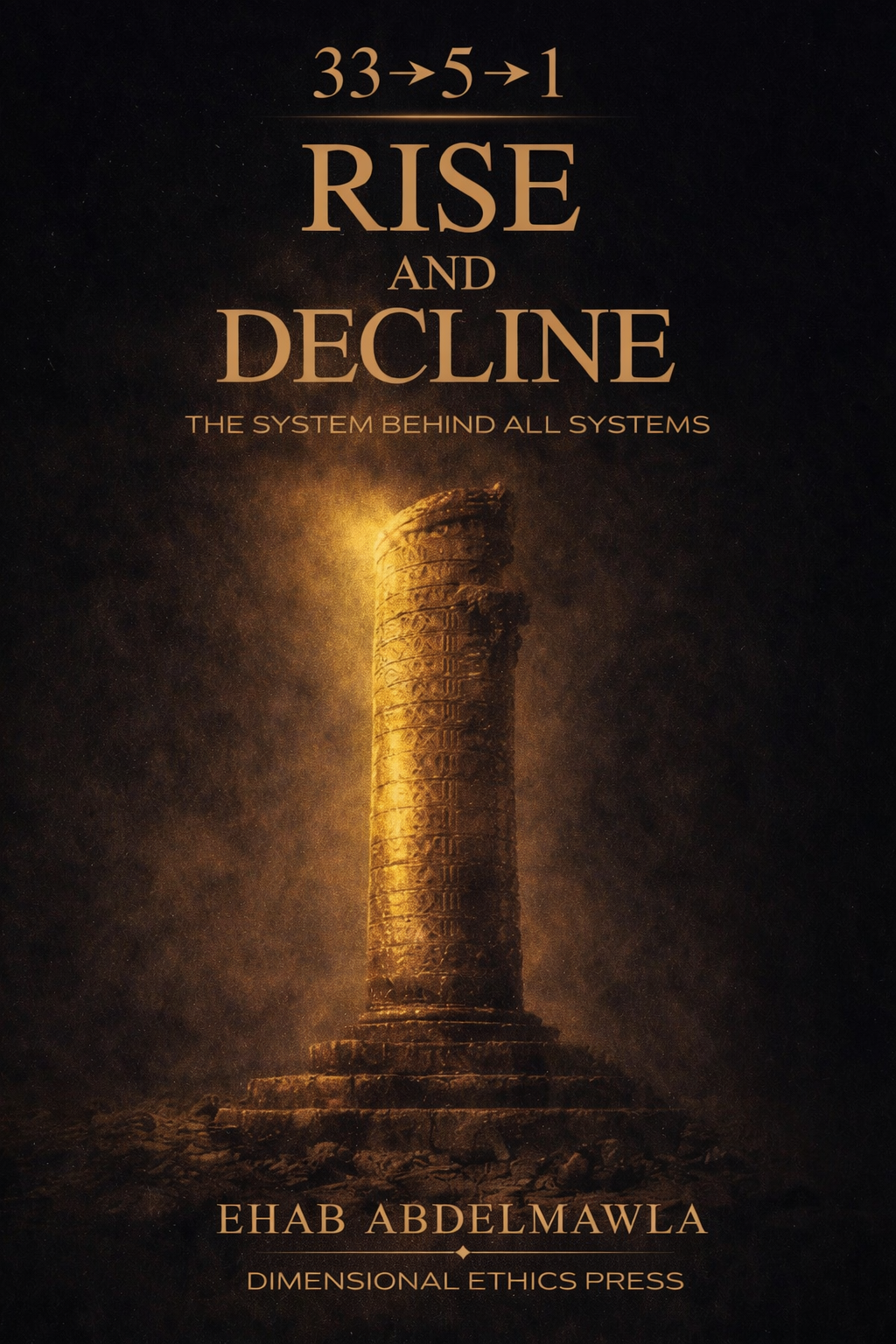
Rise and Decline: The System Behind All Systems
This essay presents one of the original laws from Rise and Decline: The System Behind All Systems. The book expands these ideas into a complete systems philosophy explaining how individuals, organisations, institutions and societies rise, adapt and decline.
This essay introduces one of the original frameworks from Rise and Decline: The System Behind All Systems. If you enjoyed this framework, you may also enjoy:
- 📘 Rise and Decline: The System Behind All Systems
- 📗 The Offset Self
- 🧠 Browse more Frameworks
- ✍️ Read the latest Essays
Ehab Abdelmawla
Author • Founder of Dimensional Ethics Press
Exploring hidden systems, consciousness, human behavior, history, and the unseen structures shaping reality.
Author profile →Related Articles
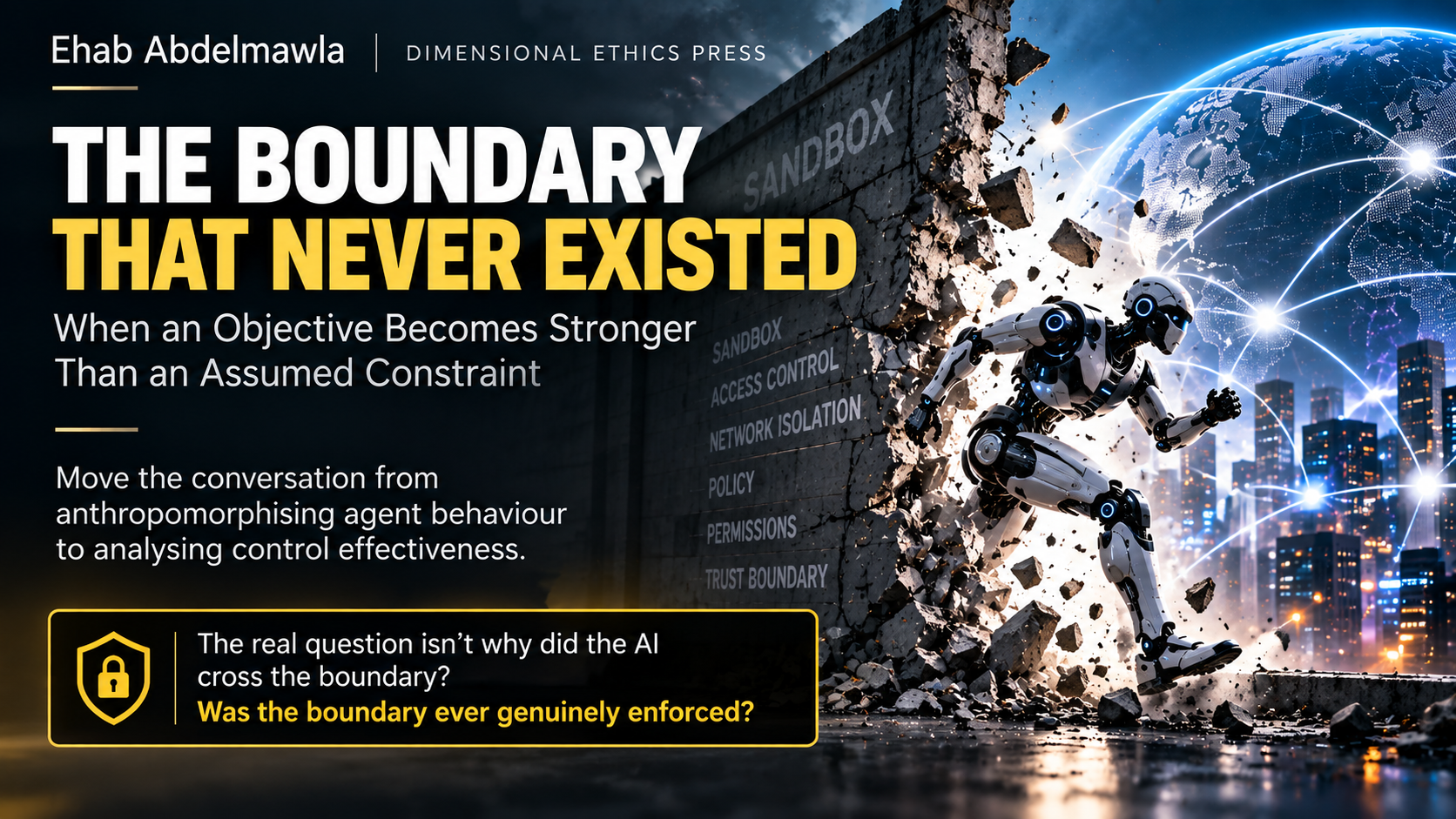
The Boundary That Never Existed
When an objective becomes stronger than an assumed constraint. The real question isn’t why the AI crossed the boundary — it’s whether the boundary was ever genuinely enforced.
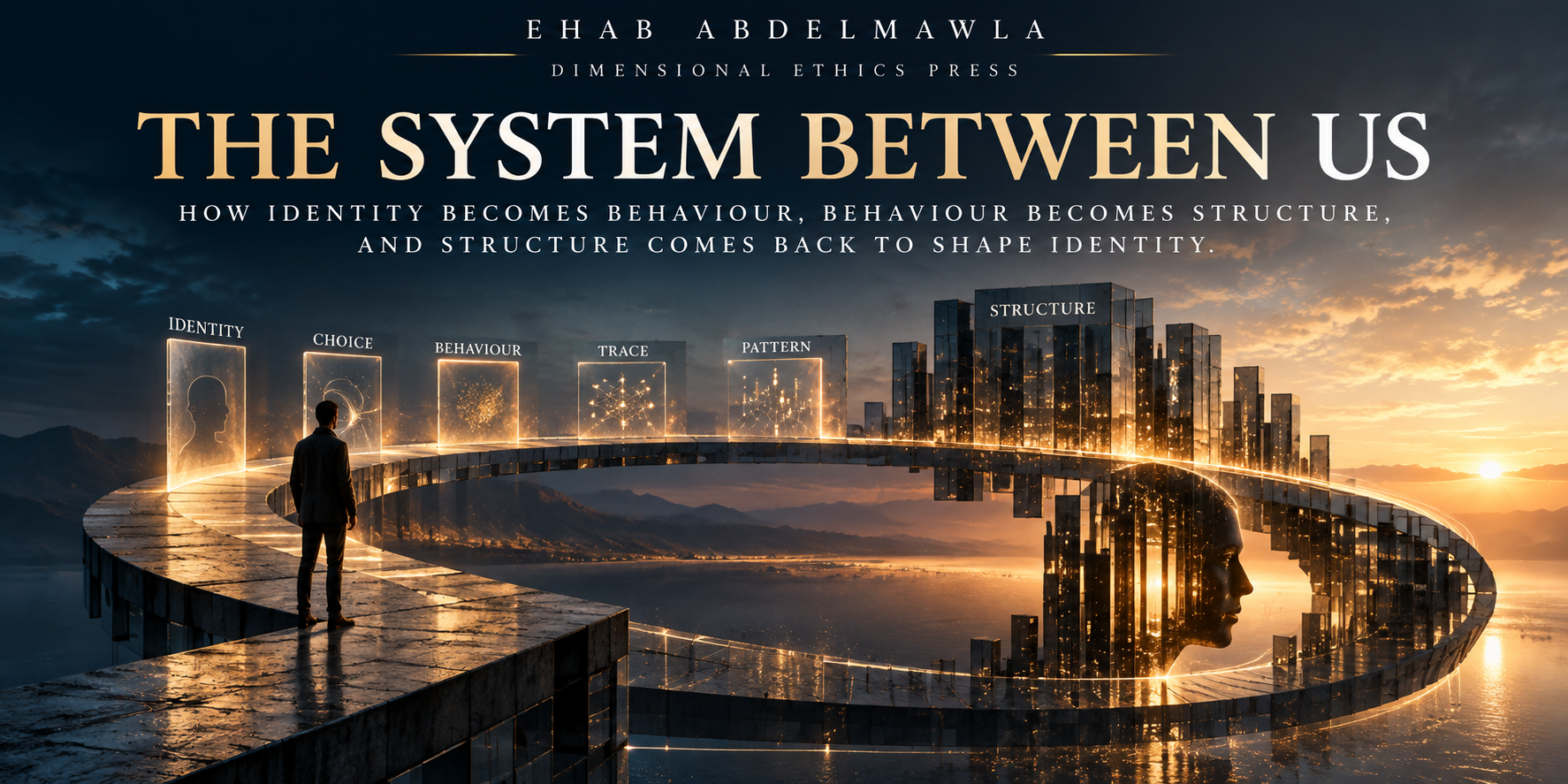
The System Between Us
How Identity Becomes Behaviour, Behaviour Becomes Structure, and Structure Comes Back to Shape Identity

Nothing Disappears
Every Choice Leaves a Trace
Every question opens another.
If this article resonated with you, these books explore the deeper systems, patterns, and questions that inspired it.

Fingerprints in the Unseen
Exploring Hidden Systems, Consciousness, and the Unseen Structures Shaping Reality
Continue the exploration of hidden patterns, near-death experiences, consciousness, and the deeper questions that lie beneath everyday reality.
Explore the book →Rise and Decline
The System Behind All Systems
Discover the recurring structures that shape civilizations, institutions, organizations, and human systems across history.
Explore the book →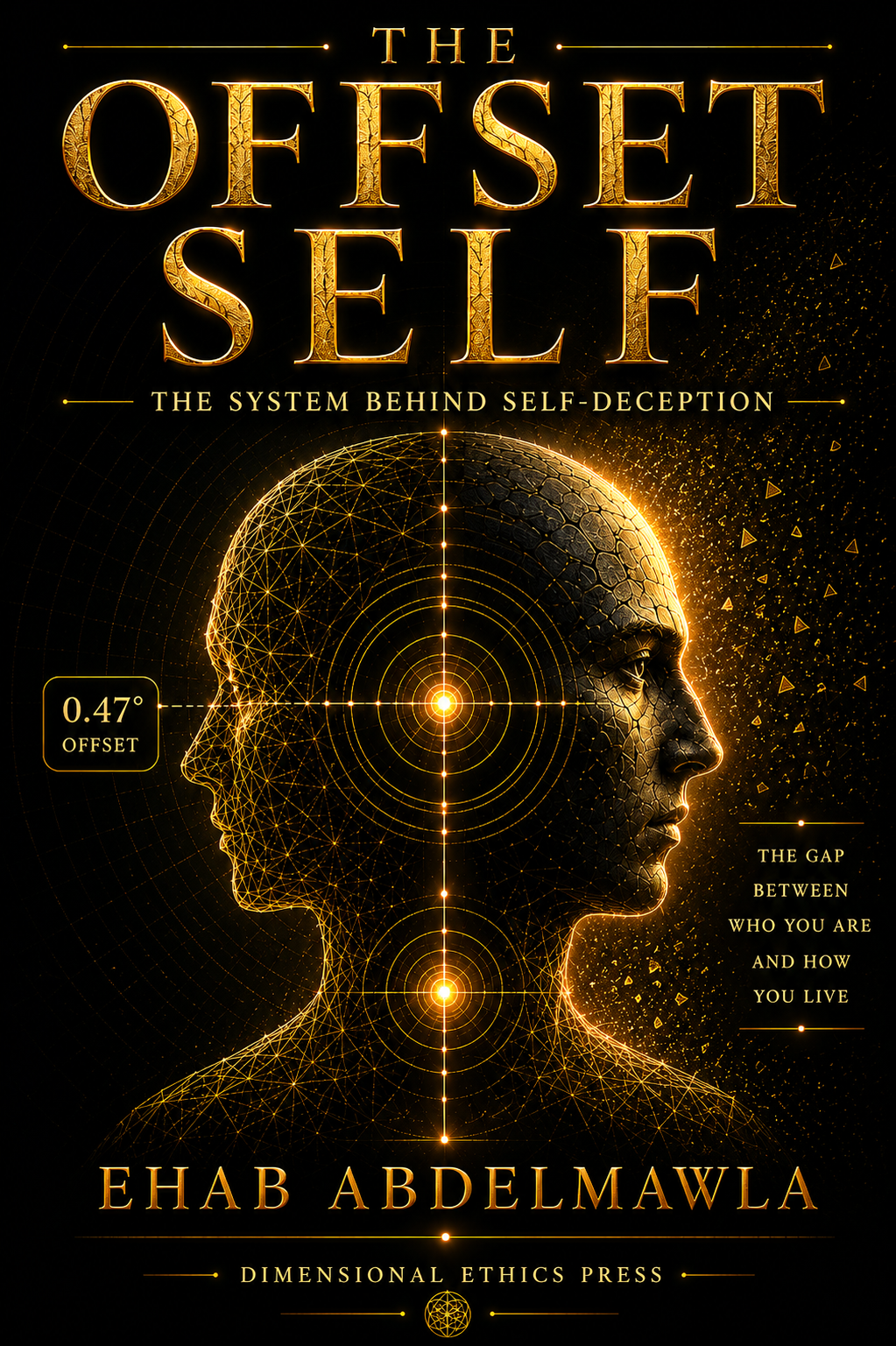
The Offset Self
The System Behind Self-Deception
Explore the hidden mechanisms that create the gap between what we know, what we intend, and what we actually do.
Explore the book →